
What is your core vision for career counselling in today’s education system?
Over the years, it has become clear that counselling needs to move from a crisis response to something that is part of everyday student life. It needs to be part of everyday student life. At the same time, the range of career options has widened considerably, which makes timely and well-informed guidance even more necessary.
In many institutions across India, students still reach out to a counsellor only when situations have already become difficult. Experience shows that guidance has greater impact when it begins early, ideally from Class 9, and continues steadily rather than appearing only at major decision points such as board results or entrance examinations.
Counselling is most effective when it becomes part of the institutional culture, with teachers, parents, and administrators working in alignment. When it is woven into academic and skill development processes, students are more likely to engage sooner and with greater openness. The role of counselling is not limited to helping a student select a career. It also involves helping them understand themselves and make thoughtful choices. The larger aim is to support their growth as individuals with a sense of direction.
What makes a counselling approach effective compared to traditional models?
In many settings, counselling still follows a prescriptive approach. A student’s marks are reviewed and a suggestion is offered within a brief interaction.
A more meaningful approach begins with the student rather than their academic record. It involves understanding what holds their attention, how they process information, and where their natural interests lie.
Psychometric tools have their place, but conversation remains central. There is often a gap between what parents hope for and what students are inclined towards. Students today are exposed to a wide range of emerging careers through online sources, which adds to this gap. This makes it important to create space for balanced and informed discussion within the family.
Family involvement matters, as decisions are rarely taken in isolation. Counselling works best as a process that unfolds over time, with continuity and follow-up. Students are more likely to do well when they arrive at their own decisions rather than being directed.
What are the top mental health challenges students currently face?
There has been a clear shift in recent years. Academic pressure remains high, particularly because of competitive entrance systems. Alongside this, social media has introduced a constant element of comparison, which influences how students view themselves.
Parental expectations continue to shape choices, at times restricting a student’s ability to express personal interests. There is also a noticeable rise in loneliness, even among students who appear socially active. Many hesitate while making decisions due to fear of failure. Since the pandemic, adjustment difficulties and sleep-related concerns have become more common.
A concern is that many students do not share these struggles early. A large number carry their concerns quietly, and these come to attention only at a later stage.
How has digital technology changed student counselling delivery?
Technology has improved access in important ways. Students from smaller towns are now able to connect with trained counsellors more easily. Online sessions have also made it simpler to seek support.
At the same time, the volume of unverified advice available online has increased. Quick assessments and informal guidance can create a false sense of clarity. It is important to use technology to expand reach, while ensuring that the counselling process remains personal and grounded. Access may be digital, but the work itself remains human.
What early signs should institutions watch for in struggling students?
The indicators are often not obvious. A drop in participation, withdrawal from activities, or reduced interaction with peers may suggest that something is not right.
Frequent absences should be looked at carefully. Changes in behaviour, appearance, or communication patterns are also worth noting. Non-teaching staff often notice these shifts early. Institutions benefit from having systems that allow such observations to be shared and addressed in time. Paying attention to small changes early can prevent more serious concerns later.
How do you ensure counselling services remain accessible and stigma-free?
Stigma reduces when reduce when counselling becomes part of regular student engagement rather than being linked only to problems.
When counselling is integrated with mentoring, workshops, and career guidance, it becomes more approachable. Easy access and informal interaction encourage students to reach out without hesitation. Language and presentation also matter. The way counselling is positioned within an institution influences how students respond to it.
What key skills should students build beyond academics to succeed today?
Academic performance remains important, but it is not sufficient on its own. What sets students apart are their ability to work with others, adapt to change, and communicate clearly.
Critical thinking and the ability to handle open-ended problems are increasingly important, as many real-world situations do not have fixed answers. Emotional intelligence, including empathy, listening, and managing differences, plays a significant role in both academic and professional contexts.
It is also useful to develop curiosity, initiative, and the ability to respond to unfamiliar situations. Leadership, along with the ability to collaborate and influence, becomes relevant as students move into team-based environments.
Financial awareness is still uneven, and digital familiarity, including an understanding of developments in AI, is now expected across fields. Equally important is the ability to take responsibility for one’s work and continue learning over time. Students who stay open to learning and keep themselves updated are more likely to build stable and meaningful careers. What matters is not only what they know at graduation, but how they continue to grow afterwards.
How does integrating counselling with skill-based learning improve student outcomes?
Counselling helps students gain clarity about themselves, while skill-based learning prepares them for practical application. When both are aligned, students are able to use their skills with greater purpose.
At Rungta International Skills University, Bhilai, where I serve as Director (Student Counselling), this integration is approached in a structured way. Students are guided early to identify a possible direction, followed by continued support through relevant skill development during their course.
Regular interaction with industry experts is part of the process. These engagements help students understand current expectations, emerging roles, and the skills required, allowing them to prepare more effectively.
Students gain confidence when they can relate what they are learning to where they are headed. Clarity of direction, supported by the right exposure, makes skill development more meaningful.
What one piece of advice would you give students who are uncertain about their future?
It is not necessary to have complete clarity at the beginning. Understanding develops gradually through experience.
Students who explore options, reflect on them, and remain open to change find their direction over time. It helps to understand oneself, seek informed guidance, and keep moving ahead. Clarity builds step by step.
Could you tell us about the role of APCCI and its work across India?
The Association of Professional Career Counsellors of India (APCCI) works to strengthen career counselling practice across the country, with a focus on standards, access, and integration within education systems.
With members across most states, it engages with varied regional contexts. One important area of work is capacity building through training programmes and expert-led webinars.
There is also a strong focus on professional exchange. Regional networks and collaborative platforms allow counsellors to learn from one another and refine their practice. The annual convention brings practitioners together, creating space for discussion, learning, and professional development.
A strong professional community plays an important role in improving both the quality and reach of career counselling in India.
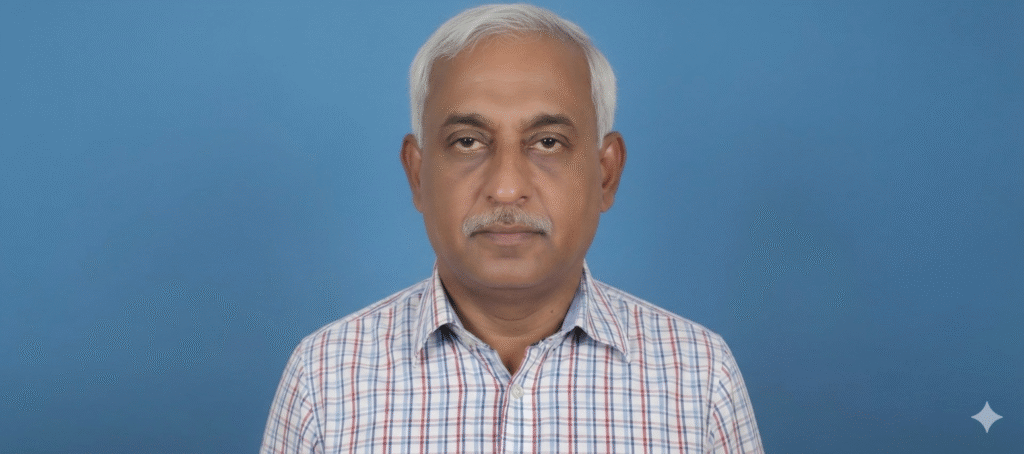
(Joseph John is a career counsellor and Director of Student Counselling at Rungta International Skills University, Bhilai, and Secretary of the Association of Professional Career Counsellors of India (APCCI))